Author Archives: Karl

Counting fixed assets

Fixed Assets count Just as you count your inventory on a regular basis, counting your property, plant and equipment (PPE) items should be on the agenda as well at least once a year. The asset list may be long; they may be physically spread out on a big area, between different departments etc., so how do you know they all exist?

As you might expect, making sure that all those assets do exist is something that has to be done. Ensuring that all your assets on the balance sheet exist in reality is something that’s obvious, but for some reason fixed assets are those which we considered as “once bought, I know it exists”.

Well, the reality and practices has shown something different. It’s especially so with smaller equipment, which gets lost, broken easily, switched etc.
Continue reading
Changing the useful life of an asset

Useful Life longer Now that you have decided to change the useful lives, there’s that little extra work which needs to be done and you’re all sorted.

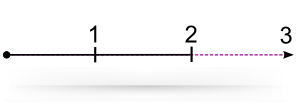
We are going to show how to do it through an example – we are changing a laptop’s useful life from 2 years to 3 years. Let’s say that after the first year the laptop with cost price of a 1,000 has been amortized to 500. It has a remaining useful life of 1 year.

As of this the management has estimated that this laptop will still be in use after this year has elapsed and in fact according to management’s best judgment, the remaining period is now 2 years. In fixed assets accounting the cost price is now set as 500, which was the carrying value when the change was done and the useful life is now 2 years. In total the useful life is 3 years, of which 1 has elapsed already.
Continue reading

Why change fixed assets’ useful lives?

Useful Life The very first and obvious answer is „because it’s required to review the useful lives at least once a year“. Should they in reality differ from what has been set for the assets in accounting, they need to be changed in a way they would reflect the real usage once again. This is the “must do” part though. There may also be a need for this change arising from the wish to manage expenses better.
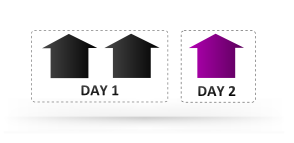
Where it may seem like the actual usage is longer, even just by a year, you don’t feel the need to go through all this fuss with the changes, however in a situation where expenses are under tight pressure by either owners or investors every little helps.
Continue reading

Planning for stock count

Stock Counting Planning for inventory stock count is very dependable on inventory type and locations. If it’s just one warehouse and only similar type of goods, it’s more or less easy. You can do it in one day and be done with it.

However, in case there are various locations and / or different types of inventory, it’s more complicated. There more you have locations, there more you have to consider your teams in general – i.e. different for each location – and if not different, then on which days are the counts done. Moreover, in case of various types of goods the teams may need to be different because some are more experienced in one type and not the other. It may also be that not everything can be counted on one day. Or it may even be so that it’s not humanly possible to count everything on one day. There are quite a few things to consider and as such you need to plan them ahead.
Continue reading

Confirming balances

Confirm Balances A part of year-end closing is always confirming balances you have in your balance sheet. When we say „confirm“, we do mean agreeing them with the other party the balances are owed to or to be collected from.
Whereas we have discussed the confirmation procedure and even shared a template with you, what we would like to stress with this post, is that it’s not just confirming, i.e. sending out the letter, but also making sure the correct balance is as a result in your accounts.

The replies which come back may or may not agree with your records. If they agree, it’s all good and you can just make a “check” behind the balance since it’s confirmed. However, in case the reply is not exactly what you expected, the difference needs to be sorted. Usually they come with a few comments stating invoices missing or saying some invoices are recognized in another period etc. When this is the case, you always need to remedy it in a way that you either request or resend the invoice, or moreover just rethink whether any adjustments are needed into your accounts.
Continue reading

How to deal with non-responses?

Provided that you haven’t used the sentence similar to “If we don’t receive your reply, we do consider our balance correct and confirmed by you” you really need to get the majority of the confirmations back. Simply sending them out and hoping to get everyone to reply in reality is just, to be blunt, naïve. People forget, they don’t see what’s in it for them or they don’t even receive the request. Be the reasons what they may, you need a structured approach to all non-responses.

First off make sure you have one person in charge for the whole process. The replies are delivered to one person who initially collects them and enters all required information to one table (i.e. name, contact, confirmed balance, any relevant comments etc.) This way all the information is accessible from one source.
Continue reading

What should be on a confirmation letter?

The first step in preparing for the confirmation procedure is making the template for the letters. It’s best to have it done prior and even better if once and for all. Having nice and orderly templates ensures you’ll have all necessary bits covered; everything looks similar and is easily understandable to others.

Fields which are a must:

– Contact information obviously to whom the reply should be sent to;
– The date or period the balances are confirmed as at;
– The reason for the confirmations are done in first place;
– Whether your confirming receivables or payables;
– Your balance obviously;
– Place for comments (especially needed when there are differences).
Continue reading